

Essential customs rules and
restrictions for entering Ireland
Traveler’s Guide by Parlaxy | Updated: July 18, 2025
Planning a trip to Ireland? Whether you’re flying into Dublin Airport, arriving by ferry from the UK or France, or returning home as an Irish resident, staying informed about Ireland’s customs regulations is essential. Knowing what you can and cannot bring into the country will help you avoid delays, fines, or confiscation of goods at Irish borders.
Ireland is part of the EU, which means customs laws are influenced by EU regulations, but there are still important national rules you need to follow. Whether you’re travelling for tourism, business, or family reasons, understanding Irish customs limits will ensure a smooth arrival or departure.

Ireland customs regulations: what travellers need to know in 2025
Staying informed about Irish customs regulations can save you time, money, and unnecessary hassle when entering or leaving Ireland.
| Documents Required for Entry | To enter Ireland, all travelers must carry a valid passport or an accepted travel document. EU/EEA and Swiss Citizens Citizens of the EU, EEA, and Switzerland can enter Ireland visa-free using a valid passport or national ID card. Visa-Free Access for Non-EU Nationals Citizens of countries such as the United States, Canada, Australia, New Zealand, Japan, and several Latin American, Caribbean, and Pacific nations can travel to Ireland without a visa for stays of up to 90 days. Note: Ireland is not part of the Schengen Area, and Schengen visas are not valid for entry into Ireland. Visa Required Nationals Travelers from countries not on Ireland’s visa exemption list must obtain a Short Stay ‘C’ Visa before arrival. Applications can be made through an Irish embassy or the Irish Immigration Service website. Stay Informed Visa rules may change. Always check the latest requirements on the official Irish Immigration Service (ISD) website or consult your nearest Irish consulate before you travel. |
| Currency Export and Import Restrictions | Since 2022, the export Euros to Russia and Belarus has been prohibited. |
| Currency Export and Import Limits by Amount | $10,000 Amounts exceeding this must be declared. |
| Restricted Items for Import | Adults entering Ireland from non-EU countries can bring in new goods (in original packaging) without customs declaration, as long as the total value does not exceed: -€430 for air and sea travellers -€300 for land and inland waterway travellers These limits apply per person and include gifts, souvenirs, and personal purchases. For personal electronics such as laptops, smartphones, or tablets, the standard allowance is one item per person, provided: It is clearly for personal use It stays within the overall value limit |
| Prohibited Items for Import | According to Irish Revenue and Customs enforcement, the following items are strictly prohibited from being brought into Ireland: –Illegal drugs and controlled substances of any kind –Firearms, weapons, and ammunition without proper permits and advance approval –Explosives, fireworks, and flammable materials –Counterfeit or pirated goods, including fake designer items and unlicensed media/software –Obscene or indecent materials, especially content involving minors (a criminal offence under Irish law) –Cultural heritage items or antiquities without official import/export documentation –Certain communication devices, such as radio transmitters, drones, or walkie-talkies, if not pre-approved by Irish authorities |
| Alcohol Import Regulations | If you’re traveling to Ireland in 2025 from a non-EU country or a duty-free zone, you are allowed to bring in limited quantities of alcohol for personal use, provided you are 17 years of age or older. You are permitted to bring either of the following: -1 litre of spirits (alcohol content over 22% ABV), such as whiskey, vodka, or rum OR -2 litres of fortified or sparkling wine (22% ABV or less), such as prosecco, vermouth, or champagne In addition, you may bring: -4 litres of still (non-sparkling) wine -16 litres of beer Important Conditions These allowances apply only to alcohol for personal consumption. |
| Alcohol Export Regulations | There are no formal restrictions on the amount of alcohol you can take out of Ireland, provided it is: -Intended strictly for personal use or as a gift. -Not being shipped or carried for commercial purposes. -Properly packaged and compliant with airline or transport rules. However, your destination country’s import limits will apply when you arrive — and these often differ significantly. |
| Tobacco Product Import Regulations | When entering Ireland from outside the EU, travellers aged 17 or older may bring in the following tobacco products duty-free and without declaration, provided they are for personal use and not for resale: -200 cigarettes -100 cigarillos (cigars weighing no more than 3 grams each) -50 cigars -250 grams of smoking tobacco |
| Tobacco Product Export Regulations | No formal restrictions exist on the quantity of tobacco products you can personally export from Ireland, provided they are for personal use and not for resale. |
| Restrictions on Importing Medications and Dietary Supplements | Prescription Medications Personal Use Only: Bring medications in original packaging with your name clearly displayed. Documentation Required: Carry a valid prescription or a doctor’s letter confirming the medication is for personal use. Controlled Substances: Some medications legal in other countries (e.g., ADHD treatments like Adderall) may be illegal in Ireland without proper authorization. Always check with the Health Products Regulatory Authority (HPRA) before traveling. Over-the-Counter Medications -EU-Origin Products: Generally allowed if intended for personal use. -Non-EU Products: Must comply with EU regulations, including ingredient safety and labelling standards. Dietary Supplements -EU Law Compliance: Supplements must adhere to Directive 2002/46/EC, covering composition, labelling, and safety. -Notification Requirement: New supplements marketed in Ireland must be notified to the Food Safety Authority of Ireland (FSAI) by the manufacturer or importer. -Safety Standards: The FSAI has set maximum safe levels for certain vitamins and minerals to protect consumer health. |
| Restrictions on Importing Jewelry and Luxury Goods | Non-EU travelers entering Ireland can bring personal jewelry duty-free if the total value of all new goods, including jewelry, does not exceed €430 for air or sea arrivals, or €300 for land arrivals. There is no specific weight limit for gold jewelry, but quantities must be reasonable for personal use and not intended for resale. |
| Restrictions on Exporting Jewelry and Luxury Goods | No export duties for personal items. No specific restrictions for personal use exports. |
| Restrictions on Importing Items of Artistic and Historical Value | Category B: Cultural goods over 250 years old, such as archaeological objects and parts of monuments, require an import licence obtained before arrival. Category C: Cultural goods over 200 years old and valued above €18,000, including paintings, sculptures, and manuscripts, require an importer statement confirming legal export from the country of origin. Both import licences and importer statements must be submitted through the EU’s centralized Import Control System for Cultural Goods (ICG). |
| Restrictions on Exporting Items of Artistic and Historical Value | Cultural Goods: Items classified under Chapter 97 of the EU Integrated Tariff (TARIC), such as art and antiques, require an importer’s licence or statement when entering the EU. This includes goods valued over €18,000 and created before 1825. Luxury Goods to Sanctioned Countries: Exporting luxury goods (e.g., jewelry, watches, designer fashion) valued over €300 to Russia or Belarus is prohibited under EU sanctions. |
| Restrictions on Importing Pets | To enter Ireland with pets, you must have a valid EU Pet Passport or an equivalent official document showing up-to-date vaccinations, including rabies, and microchip details. A Veterinary Health Certificate issued shortly before travel is also required. In some cases, a rabies antibody titer test may be necessary, especially for pets recently vaccinated against rabies. Ireland has specific regulations regarding certain dog breeds, so check if your pet is subject to any restrictions before travel. Additionally, airlines have their own pet transport policies. Confirm their requirements and notify them in advance to ensure smooth and hassle-free travel. |
| Restrictions on Exporting Pets | Same documentation is required |
Latest news – customs rules, travel alerts & more


Earn while traveling with Parlaxy
Connect with a shopper and deliver for a fee
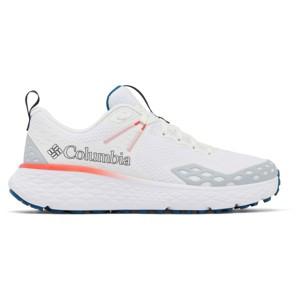
Product Price €69.97 Reward Price €20

Product Price €449 Reward Price €45

Product Price €726.59 Reward Price €73

Product Price €105 Reward Price €15
Parlaxy Wiki is a customs guide designed for travelers who prepare smartly. We’ve gathered all the latest information by 2025 so that the Parlaxy community has access to up-to-date customs rules and restrictions for different countries, as well as insights into popular destinations and travel tips for exploring various corners of the world. Discover the world with Parlaxy Wiki!
Parlaxy connects those who need to purchase items from another city or country with travelers planning trips to those destinations. Parlaxy is not only a convenient platform where buyers can order products from anywhere in the world and travelers can earn by delivering goods along their travel routes—it’s also a reliable source of current travel information worldwide.
Create an order if you’re shopping, or create a trip if you’re ready to earn while traveling!
Earn while traveling with Parlaxy
Connect with a shopper and deliver for a fee

Product Price €269.94 Reward Price €27
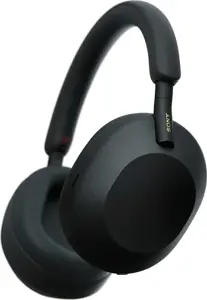
Product Price €309.99 Reward Price €31

Product Price €99 Reward Price €10
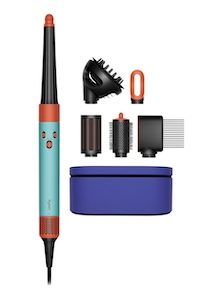
Product Price €549 Reward Price €55